About
Mission
Rooted in the tradition of St. Thomas the Apostle, guided by the teachings of St. Kuriakose Elias Chavara.
Statement
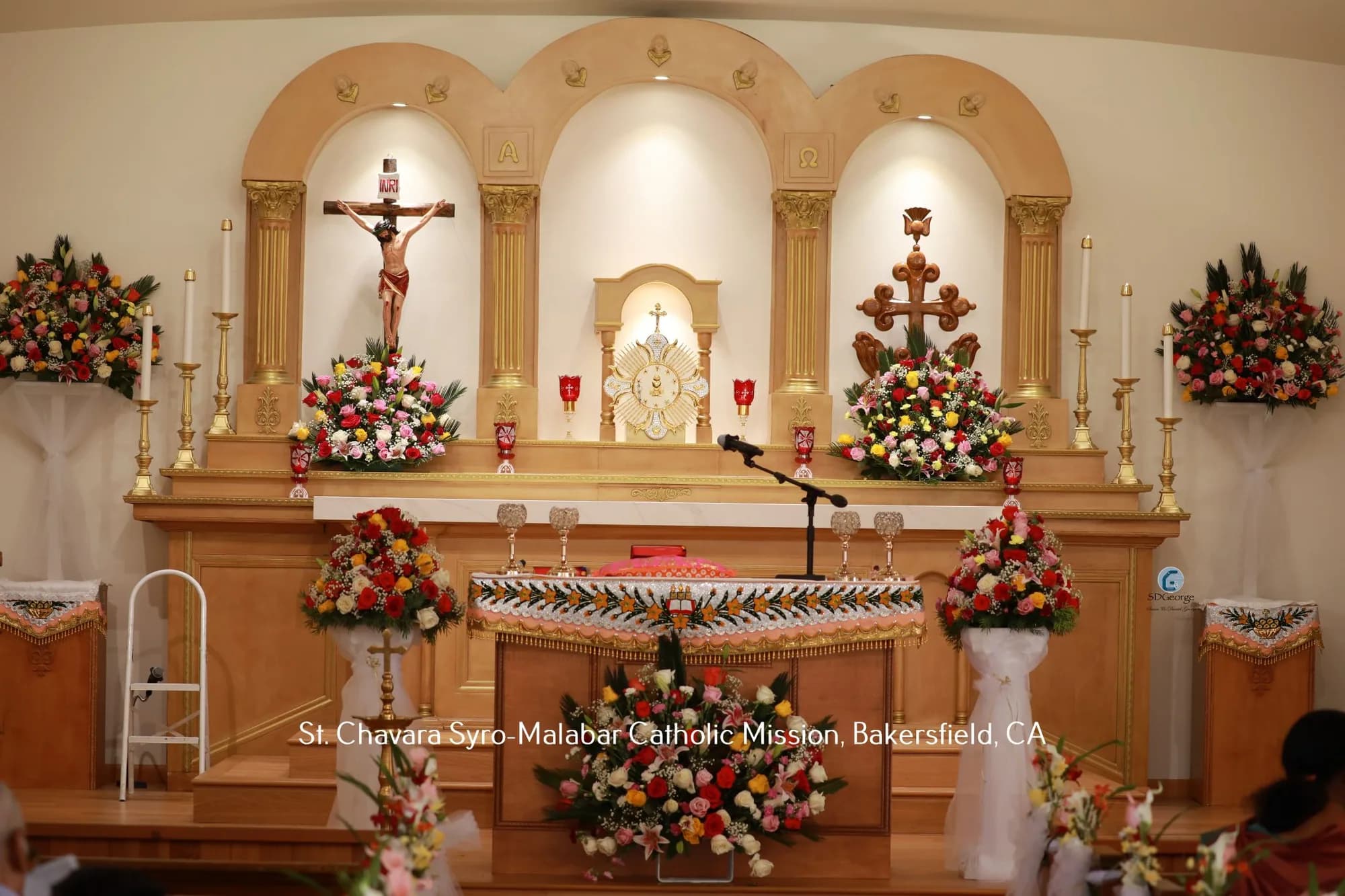
St. Chavara Syro-Malabar Catholic Church, Bakersfield CA, is dedicated to fostering spiritual growth, cultural unity, and faith formation within the Malayali community from Southern India. Rooted in the rich traditions of the Syro-Malabar Catholic Church, we strive to create a welcoming space where faith is deepened, families are strengthened, and cultural heritage is preserved.
Guided by the teachings of St. Kuriakose Elias Chavara, our mission is to unite, inspire, and serve — bringing together generations to celebrate our shared identity, language, and values while embracing our role as a vibrant part of the universal Roman Catholic Church. Through worship, community engagement, and spiritual education, we seek to nurture a faith-filled environment where all can grow in Christ and support one another in love and service.
Our Patron
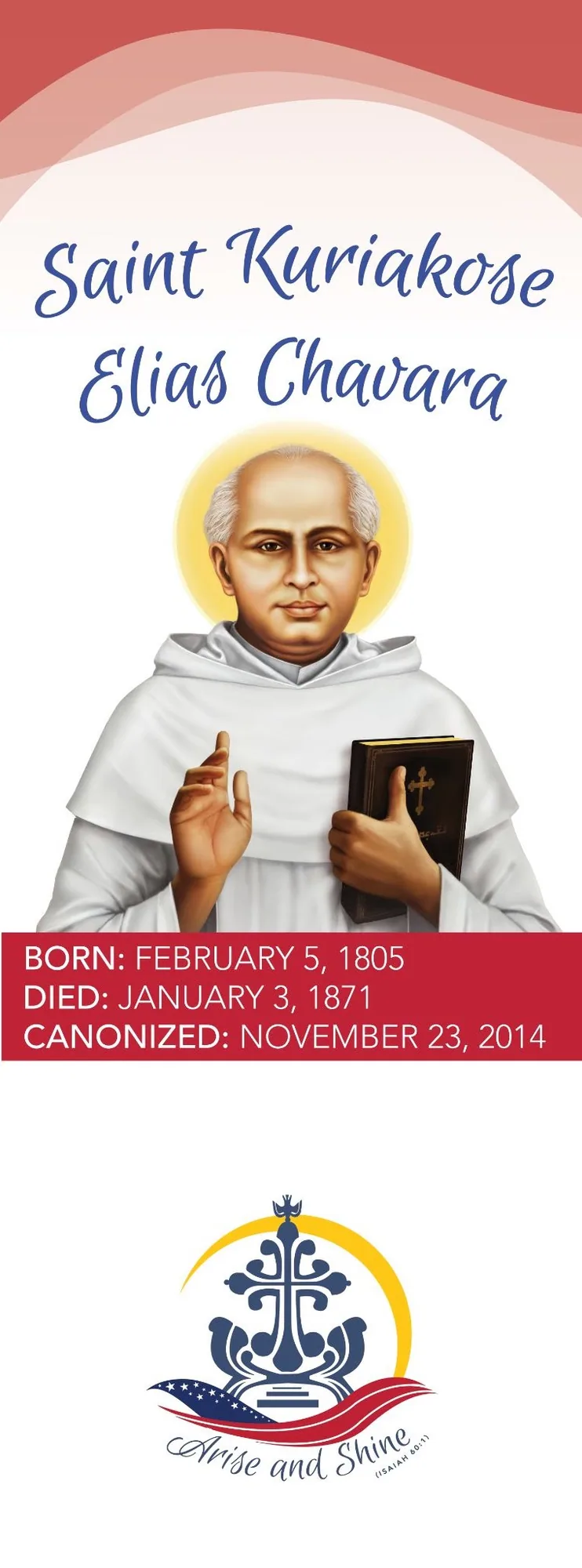
Saint KuriakoseElias Chavara
St. Kuriakose Elias Chavara, commonly known as St. Chavara, was a prominent Indian Catholic priest and social reformer in the 19th century. Born in 1805 in Kerala, India, he played a crucial role in the spiritual and educational upliftment of the Christian community in the region. St. Chavara co-founded the Congregation of the Carmelites of Mary Immaculate (CMI) in 1831, which was the first indigenous religious congregation of the Catholic Church in India. He was also instrumental in establishing the Congregation of the Mother of Carmel (CMC) for women in 1866. His efforts extended beyond religious boundaries as he initiated various social and educational reforms, including the establishment of schools accessible to all children, regardless of caste or creed. St. Chavara was canonized by Pope Francis in 2014, and he is celebrated for his dedication to education, social justice, and spiritual growth, leaving a lasting legacy in Indian society.
- Born
- February 5, 1805
- Died
- January 3, 1871
- Canonized
- November 23, 2014